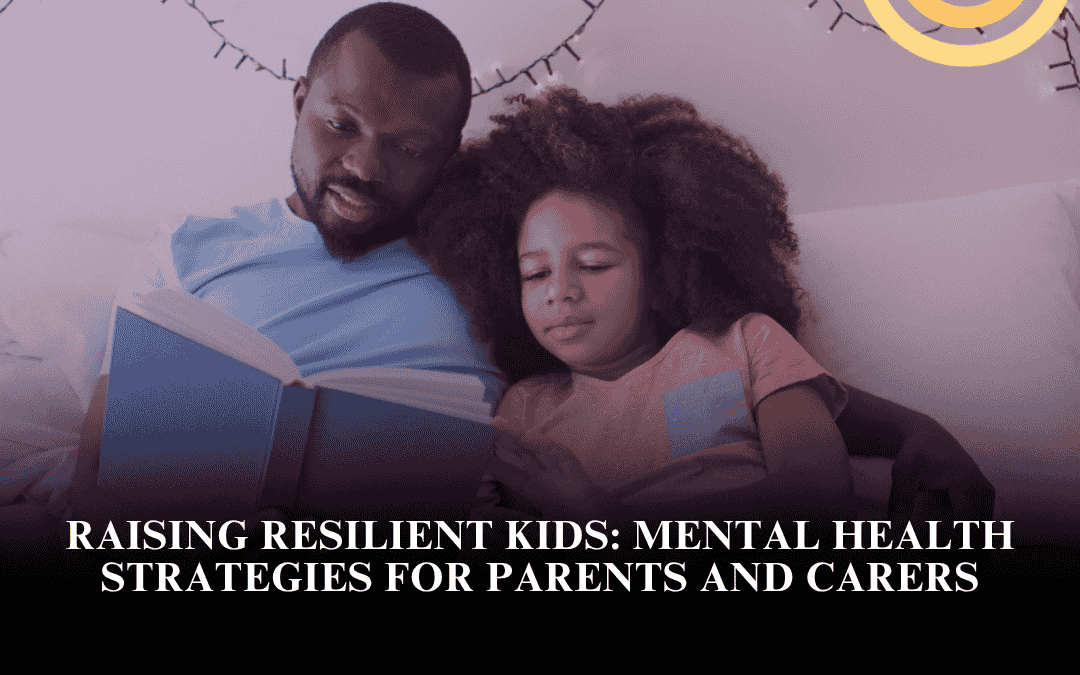
Building mental resilience in children is fundamental for their emotional well-being and ability to navigate life’s challenges. Parents and carers play a pivotal role in fostering habits, mindsets, and environments that cultivate resilience. This article outlines effective mental health strategies to support raising emotionally strong children.
Active Coping Skills
Teaching children to actively cope with stress involves helping them face uncomfortable emotions rather than avoid them. Encouraging children to break down distressing situations into small, manageable steps fosters emotional regulation and problem-solving skills.
For example, if a child feels anxious about school, caregivers can support them in gradually increasing exposure, such as attending part of a school day before a full day, building tolerance over time.
Practicing coping in safe, supportive settings—such as role-playing social interactions—can strengthen their resilience muscle.
Building Self-Efficacy
Self-efficacy, the belief in one’s capability to handle challenges, grows from experiences of overcoming difficulties. Parents and carers can build self-efficacy by setting achievable expectations and celebrating small victories, using positive reinforcement to build confidence.
Simple gestures like verbal praise or a supportive smile can help children internalize their ability to cope, motivating them to tackle increasingly difficult challenges with a growth mindset.
Social Support and Sense of Belonging
A strong social network is a protective factor in mental health resilience for children. Promoting connections with peers, family, teachers, and community members can provide emotional support during tough times.
Encouraging children to engage with hobbies, clubs, or virtual communities where they feel accepted increases their sense of belonging and buffers them against stressors like bullying.
Structured Resilience Programs
Studies show that resilience-building programs, especially for adolescents, effectively enhance coping skills, reduce symptoms of anxiety and depression, and support better long-term mental health outcomes.
Schools and community organizations often provide workshops or programs teaching cognitive and behavioral strategies to bounce back from adversity.
Monitoring and Responding to Emotional Needs
Parents should observe how children react to stress and listen empathetically to their emotions without minimizing them. Encouraging open conversations helps children feel understood and supported.
When children struggle with avoidance or maladaptive coping, caregivers can gently guide them back toward active coping strategies, emphasizing that it is okay to feel uncomfortable but also demonstrating ways to manage those feelings.
FAQs
What is resilience, and why is it important for kids?
Resilience is the ability to adapt to setbacks and stress in a healthy way. It helps children manage emotions, recover from challenges, and build confidence for future difficulties, supporting lifelong mental health.
How can parents teach children to cope with stress?
Parents can encourage kids to face stress incrementally, practice problem-solving, and use calming techniques. Role-playing or simulating stressful situations with support is also effective.
What role does self-efficacy play in children’s resilience?
Self-efficacy, or belief in one’s abilities, motivates children to overcome challenges. Positive reinforcement from adults helps children build this vital confidence.
How important is social support for resilient children?
Strong social connections provide emotional strength and protection against negative influences like bullying. Fostering belonging through friendships and community is crucial.
Are resilience programs effective in schools?
Yes, especially for adolescents, resilience programs have been shown to improve coping skills and reduce anxiety and depression symptoms, with benefits lasting months after completion.