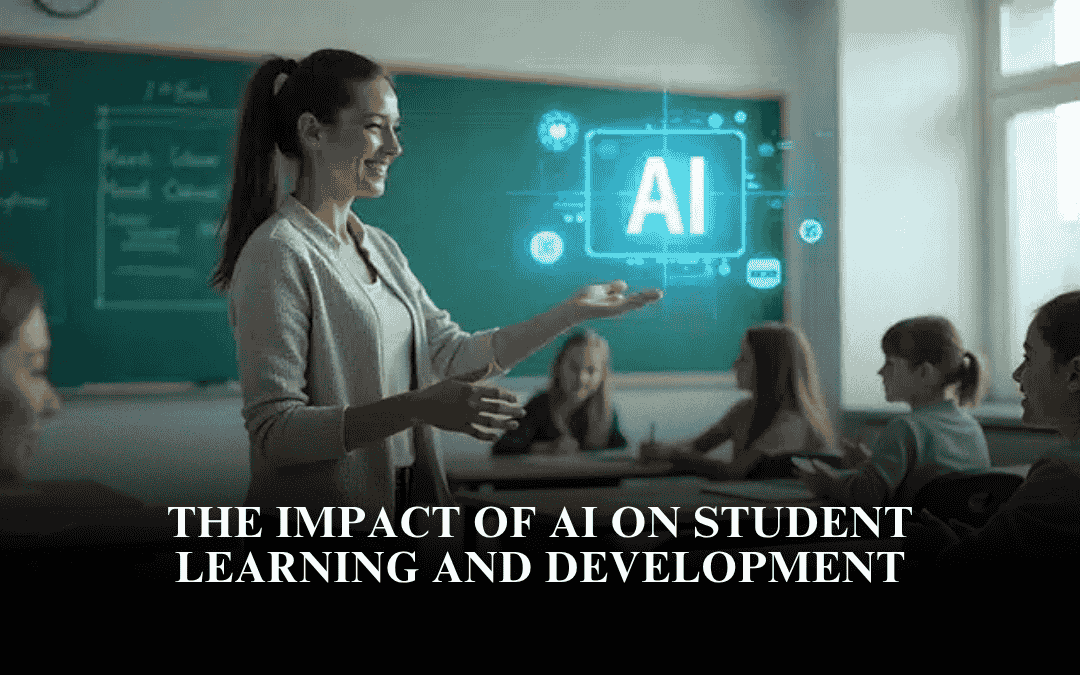
Artificial intelligence (AI) is transforming education in the United States, offering both significant opportunities and complex challenges for student learning and development. As AI becomes more integrated into classroom practice and administration, its impacts are rapidly evolving across K-12 and higher education.
Personalized Learning and Student Support
AI empowers adaptive learning platforms, providing tailored educational experiences based on student data and performance. Students can learn at their own pace, focus on weaker areas, and receive immediate feedback, which not only boosts academic achievement but also supports emotional well-being by reducing stress and increasing confidence.
For students with special needs or learning disabilities, AI-driven technologies offer real-time language translation, adaptive interfaces, and assistive support, fostering inclusivity and accessibility in the classroom.
AI-powered chatbots and virtual assistants deliver on-demand tutoring, homework help, and even mental health support, making resources and aid more accessible outside traditional classroom hours. Intelligent tutoring systems offer one-on-one learning experiences, promoting independent study and personalized growth.
Enhancing Teaching Efficiency and Insights
For educators, AI automates administrative tasks such as grading and scheduling, allowing more time for direct engagement with students. Analytical tools help teachers identify patterns in student performance, enabling early intervention and targeted instruction.
These technologies can elevate teaching quality and help institutions maintain high academic standards.
Challenges and Concerns
Despite its benefits, AI introduces several challenges. Many U.S. educators report concerns about the potential decline in meaningful teacher-student relationships, as automation can lessen personal connections in the classroom.
There are also worries about weakening critical thinking and research skills if AI tools replace deep learning activities. Surveys indicate students may feel less connected to peers and that excessive reliance on AI could reduce their sense of belonging and engagement.
Additionally, risks like data privacy violations, tech-fueled harassment, and algorithmic fairness need careful oversight. Educators urge the development of strong policies and training to ensure AI use supports, rather than undermines, educational and developmental goals.
Looking Ahead
AI holds promise to make learning more effective, equitable, and engaging—but its implementation requires careful balance. Maximizing benefits while addressing downsides will involve ongoing collaboration among students, teachers, policymakers, and technologists to put student development at the center of innovation.
FAQs
How does AI improve student learning outcomes?
AI enables personalized and adaptive learning pathways, immediate feedback, and targeted support, which can help students master concepts more effectively and feel more engaged.
What are the risks of using AI in classrooms?
Potential risks include diminished teacher-student and peer-peer relationships, over-reliance on automation, weakening of vital thinking skills, and privacy or safety concerns related to student data.
Can AI help students with special needs?
Yes. AI offers accessibility features like real-time translation, speech-to-text, text-to-speech, and adaptive interfaces, making educational materials more available and inclusive.
What do teachers think about AI’s impact?
Many educators recognize the benefits of increased efficiency and insight but stress the importance of maintaining personal relationships and developing strong policies to manage risks.
How widely is AI used in U.S. education?
A growing majority: recent surveys show around 60% of U.S. educators and 85% of students have interacted with AI in classrooms, with most finding some improvement in learning outcomes.