Education in the United States is rapidly evolving to meet the demands of 2030, with schools emphasizing new skills that address technological disruption and complex societal challenges.
The future-ready student will not only possess foundational knowledge but also high-level abilities in problem-solving, collaboration, and emotional intelligence.
As hybrid learning and AI-powered personalized education become mainstream, curricula are shifting to blend academic rigor with flexible, student-centered pathways.
Essential Skills for Success
By 2030, American students will need a wide range of technical and human-centric skills to succeed in a dynamic workforce.
- AI & Machine Literacy: Understanding artificial intelligence, data synthesis, and digital tools is essential as new careers emerge in tech-driven fields.
- Complex Problem-Solving: Tackling real-world problems, not just theoretical ones, helps develop critical thinking and adaptability.
- Emotional Intelligence: Collaboration, ethics, empathy, and global awareness are increasingly valued across industries.
- Creativity & Innovation: The ability to combine ideas from different disciplines, including STEM and the arts, drives leadership and discovery.
- Adaptability: Students must navigate rapid changes, applying life skills like resilience and flexibility to new challenges.
Technology’s Role in Learning
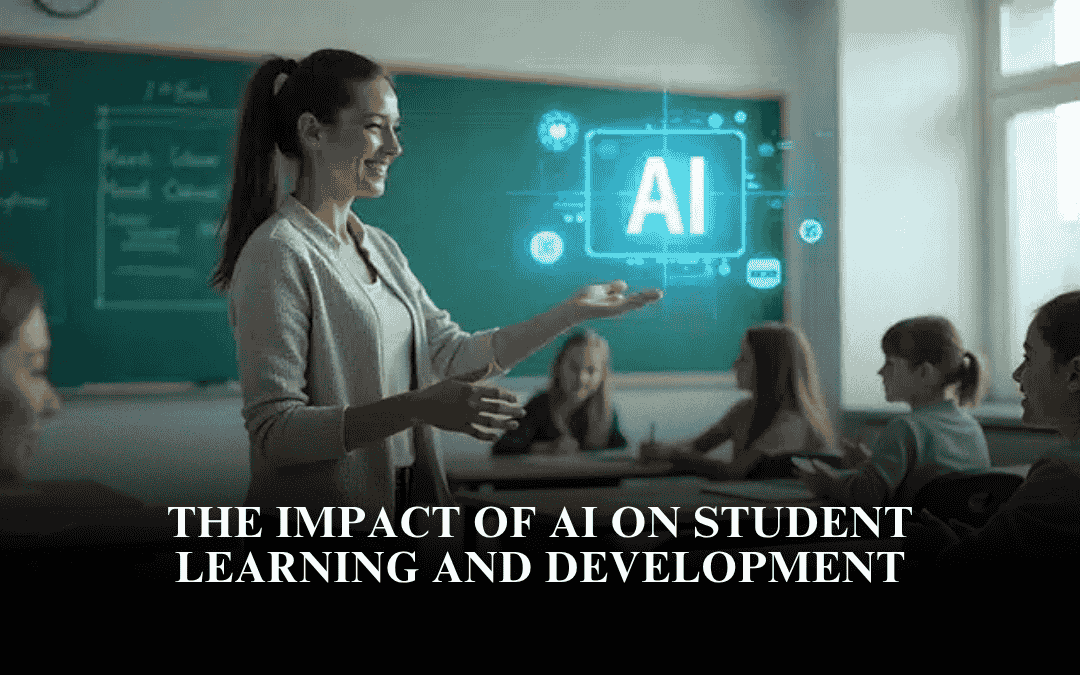
Advances in technology, especially personalized AI-driven platforms, are making education more flexible and tailored to individual strengths and needs. By optimizing learning with real-time analytics, students can pursue customized pathways and develop skills at their own pace.
- Hybrid education combines on-campus teaching with digital tools, offering greater accessibility.
- Dynamic portfolios record students’ achievements, including project-based learning, internships, and entrepreneurial activities.
- Educators are reimagining pedagogy, focusing on active, interdisciplinary learning and ethical guidance.
Preparing for New Career Landscapes
With up to 10% of jobs projected to be in brand-new categories by 2030, students must be future-proofed by learning how to learn, rather than simply memorizing content. Employers will prioritize soft skills—such as teamwork, leadership, and communication—alongside technical proficiency.
- Career pathways will demand both expertise in technology and the human ability to innovate collaboratively.
- The ability to critically assess information and adapt to unforeseen changes is vital.
Frequently Asked Questions
What are the most in-demand skills for 2030?
The most sought-after skills include AI and digital literacy, data analysis, green tech, cybersecurity, complex problem-solving, ethical leadership, adaptability, creativity, and emotional intelligence.
How will technology change education by 2030?
Classrooms will employ adaptive AI platforms, hybrid learning models, and digital tools to provide personalized, flexible education tailored to each student’s needs and strengths.
Why is emotional intelligence important for future careers?
Emotional intelligence supports collaboration, leadership, and well-being in the workplace, helping professionals build strong relationships and adapt to diverse environments.
How can students prepare for jobs that don’t yet exist?
Students should focus on building transferable life skills—like critical thinking, creativity, and adaptability—through interdisciplinary studies and experiential learning opportunities.
What changes will educators need to make?
Teachers and schools must embrace new technologies, nurture ethical and compassionate mindsets, and create learning environments that prioritize both cognitive and social-emotional development.