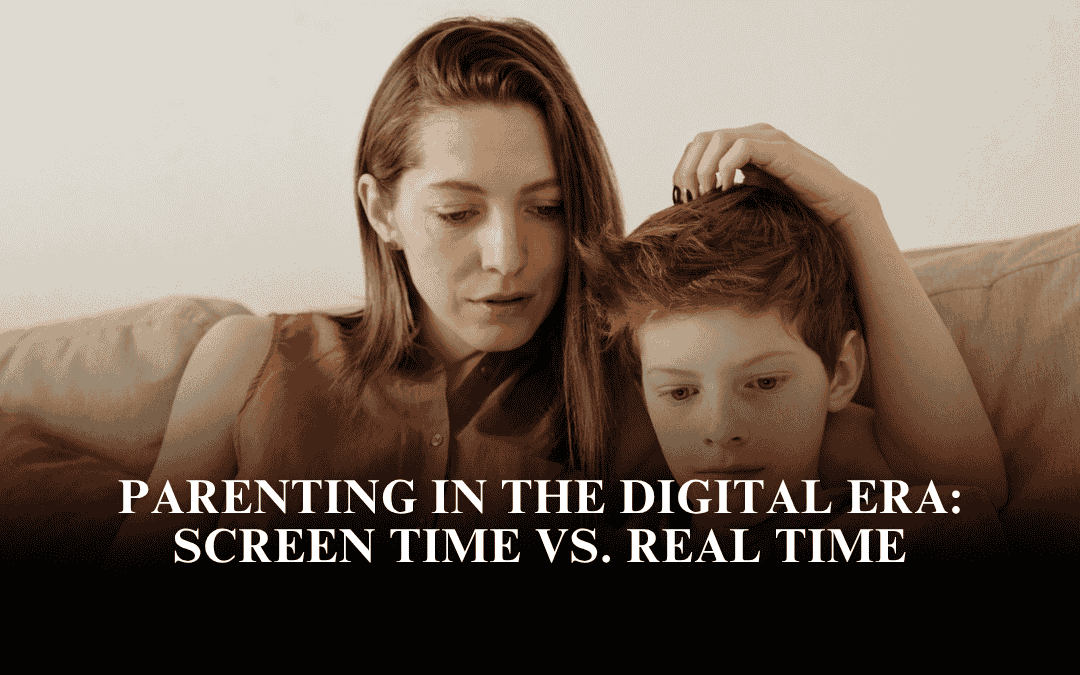
Every parent dreams of seeing their child grow into a confident, capable learner—academically, socially, and emotionally. From the morning rush to after-school routines, families work tirelessly to give their children the best start possible.
Yet across communities, one lesson stands out: success in school begins at home. When parents actively support learning, attendance turns into achievement.
Understanding the Learning Landscape
Education systems everywhere face a common challenge—ensuring that enrollment leads to real learning. In many regions, impressive gains in school attendance have not always translated into strong foundational skills.
Studies consistently show that early years are critical for developing literacy, numeracy, and curiosity. Without family engagement, even the best classroom efforts can fall short.
Parents are an essential bridge between what children learn at school and how they apply it at home. A supportive environment—one that encourages questions, exploration, and reflection—can help children grasp difficult concepts and stay motivated.
When families and schools collaborate, the gap between participation and true understanding narrows dramatically.
Creating a Home That Nurtures Learning
A nurturing home environment can transform a child’s attitude toward education. Here are a few practical ways to make learning part of everyday life:
Establish routines. A predictable schedule communicates that learning is important. For instance, dedicating thirty minutes after dinner to reading or creative play reinforces consistency and focus.
Designate a learning space. It doesn’t have to be fancy—a quiet, well-lit corner with essential supplies helps children concentrate and take ownership of their work.
Encourage curiosity. Ask open-ended questions like, “What was something new you learned today?” or “What made you think differently?” This turns routine conversations into moments of reflection.
Model lifelong learning. When parents read, explore a new skill, or share something they’ve discovered, children learn that curiosity is valuable at every age.
Celebrate effort, not just outcomes. When a child struggles with a math problem or science project, praise persistence and creativity. Recognizing effort builds resilience and confidence.
Partnering With Teachers and Schools
Children thrive when parents and educators work as a team. Open, respectful communication allows both sides to understand a student’s progress and needs.
Stay engaged. Attend parent-teacher meetings, respond to updates, and show interest in classroom projects. Asking teachers specific questions about strengths and challenges demonstrates partnership, not pressure.
Understand the curriculum. Knowing what your child is learning helps you reinforce concepts at home. If your student is practicing fractions, use cooking or budgeting as real-life applications.
Support independence. Provide time, structure, and encouragement for homework—but resist doing it yourself. The goal is to guide, not complete tasks on their behalf.
Advocate when necessary. If your child consistently struggles with reading or social adjustment, reach out proactively. Constructive dialogue with teachers can lead to timely interventions and additional support.
Share insights. You see your child in settings teachers don’t. Observations about interests, habits, or challenges at home can help educators personalize instruction.
Using Technology Wisely
Technology has become a powerful learning tool, but it’s most effective when used with balance and intention.
Choose quality content. Select educational apps, videos, or websites that align with your child’s grade level and learning goals. Avoid excessive screen time that replaces active learning.
Set boundaries. Create clear rules around screen time and online activities. Encourage regular breaks for physical play, reading, or family conversation.
Connect digital learning to real life. If your child uses a science app to learn about space, follow up with a stargazing session or a visit to a local planetarium. Applying lessons reinforces memory and understanding.
Encourage creative engagement. Beyond screens, extracurriculars like art, music, or sports nurture problem-solving, communication, and emotional intelligence—skills as valuable as academic ones.
Building Resilience and Growth Mindset
Academic success depends as much on mindset as on ability. Parents can help children develop resilience by normalizing mistakes and emphasizing growth.
Praise strategy and persistence. Instead of saying “You’re so smart,” say “You worked hard and tried different ways—that’s what helped you solve it.” This encourages effort-based confidence.
Reflect together. After a project or test, discuss what went well and what could be improved. Self-assessment builds accountability and self-awareness.
Normalize setbacks. When a child receives a disappointing grade, help them view it as feedback, not failure. Discuss next steps and strategies to improve.
Set achievable goals. Whether improving essay writing or learning multiplication, break big goals into small, measurable steps. Celebrate progress along the way.
The Bigger Picture: Raising Lifelong Learners
Supporting your child’s education is not about chasing perfection—it’s about nurturing curiosity, confidence, and character. When parents establish consistent routines, communicate with teachers, and balance technology with real-world experiences, they create conditions where children can flourish.
Whether your child attends a bustling city school or a small rural classroom, the principles are universal: be present, stay patient, and keep learning together.
Academic achievement will follow naturally—but more importantly, your child will grow into a thoughtful, resilient, and lifelong learner.
FAQs
What is CASPer Edge?
CASPer Edge is an AI-powered test preparation program that helps medical school applicants practice and improve their performance on the CASPer exam through personalized feedback and realistic simulations.
How much does CASPer Edge cost?
Access fees for CASPer Edge range from $38 to $149, depending on the package and features selected.
Who created CASPer Edge?
CASPer Edge was developed by the physician team at Cracking Med School Admissions, combining expert knowledge of the CASPer test with advanced AI technology.