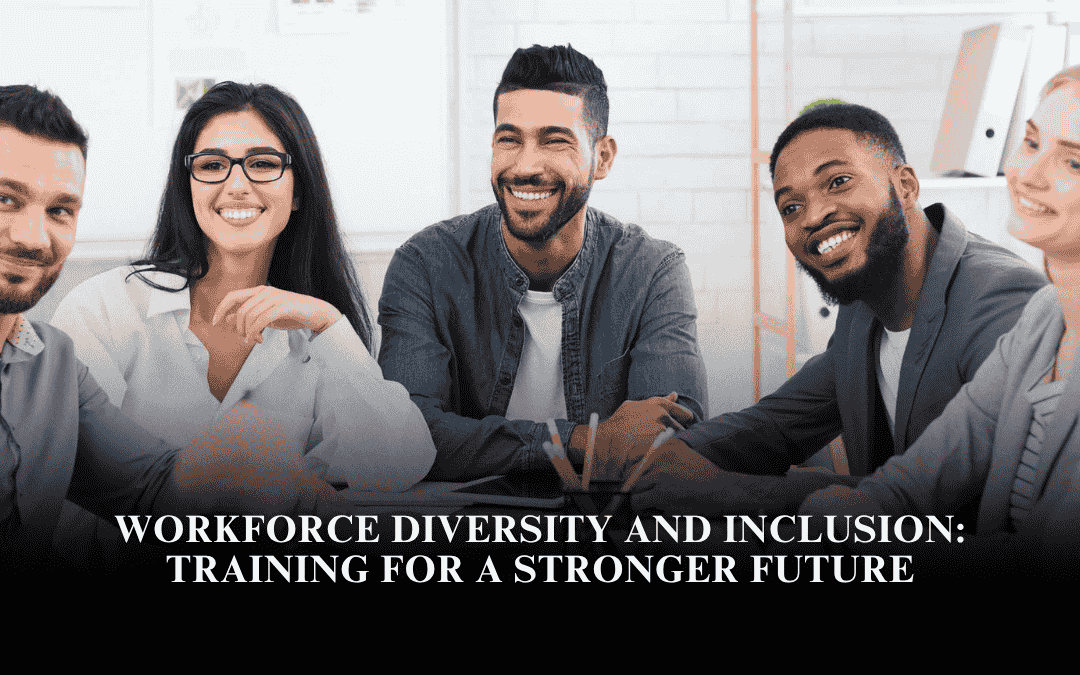
In today’s global economy, diversity and inclusion are not optional goals but vital drivers of innovation and success. Across the United States, organizations are investing in professional training programs that cultivate understanding, empathy, and collaboration among employees.
By developing inclusive workplaces, companies strengthen their talent pipelines and build environments where all professionals can thrive.
The Business Case for Diversity
Diversity extends beyond gender or ethnicity; it includes age, culture, disability, sexual orientation, and perspective.
Research consistently shows that diverse teams make better decisions, generate more creative ideas, and outperform less diverse counterparts. When employees feel valued and heard, productivity, morale, and retention increase significantly.
Forward-looking organizations recognize inclusion as a competitive advantage. Tech companies, financial institutions, and healthcare organizations are embedding diversity initiatives into leadership development and recruitment strategies.
These efforts ensure that teams represent the communities they serve and respond effectively to their clients’ unique needs.
Building Inclusive Training Programs
Training for diversity and inclusion begins with awareness and education. Companies are moving beyond one-time seminars to continuous learning models that integrate training into everyday work life. Key elements include:
- Unconscious bias training: Helps employees recognize internal biases that influence hiring, promotion, and team interaction.
- Cultural competence workshops: Teach professionals how to communicate effectively with individuals from diverse backgrounds.
- Inclusive leadership development: Equips managers with tools to foster belonging, fairness, and transparency within their teams.
- Mentorship and sponsorship programs: Support underrepresented employees in career advancement and leadership roles.
These programs often include scenario-based learning, reflective discussions, and performance metrics to measure progress over time.
The Role of Leadership
Successful diversity initiatives require visible commitment from leadership. Executives who model inclusive behavior set a powerful example for their teams. Transparent communication, equity audits, and accountability measures ensure that inclusion remains a strategic priority rather than a short-term campaign.
In the United States, many organizations are also appointing Chief Diversity Officers (CDOs) who collaborate with HR and department heads to align policies, monitor inclusivity metrics, and ensure that workplace culture evolves in step with core values.
The Future of Inclusive Workplaces
As technology transforms the workforce, hybrid and remote work models highlight new dimensions of inclusion. Accessibility, digital equity, and global collaboration are emerging priorities. Organizations that proactively address these areas will lead in attracting top talent and driving sustainable growth.
A truly inclusive workplace is not built overnight—it requires continuous improvement, honest dialogue, and active participation from every employee. Investing in diversity and inclusion training today lays the foundation for a stronger, more equitable future.
FAQs
What is workforce diversity?
Workforce diversity refers to the variety of differences among employees, including race, gender, age, culture, disability, and life experiences that contribute to a more dynamic and creative workplace.
Why is diversity training important for professionals?
It builds awareness, reduces unconscious bias, and equips employees with the skills to work effectively in diverse teams, leading to better collaboration and innovation.
How can leaders promote inclusion?
Leaders can promote inclusion by modeling respectful communication, ensuring fair opportunities, and holding teams accountable to equity goals.
What outcomes can organizations expect from inclusion programs?
Benefits include improved employee retention, enhanced creativity, stronger customer relations, and a more positive organizational reputation.
How will diversity shape the future workforce?
Diversity will redefine success in leadership, teamwork, and innovation, creating workplaces that value authenticity, adaptability, and equal opportunity.