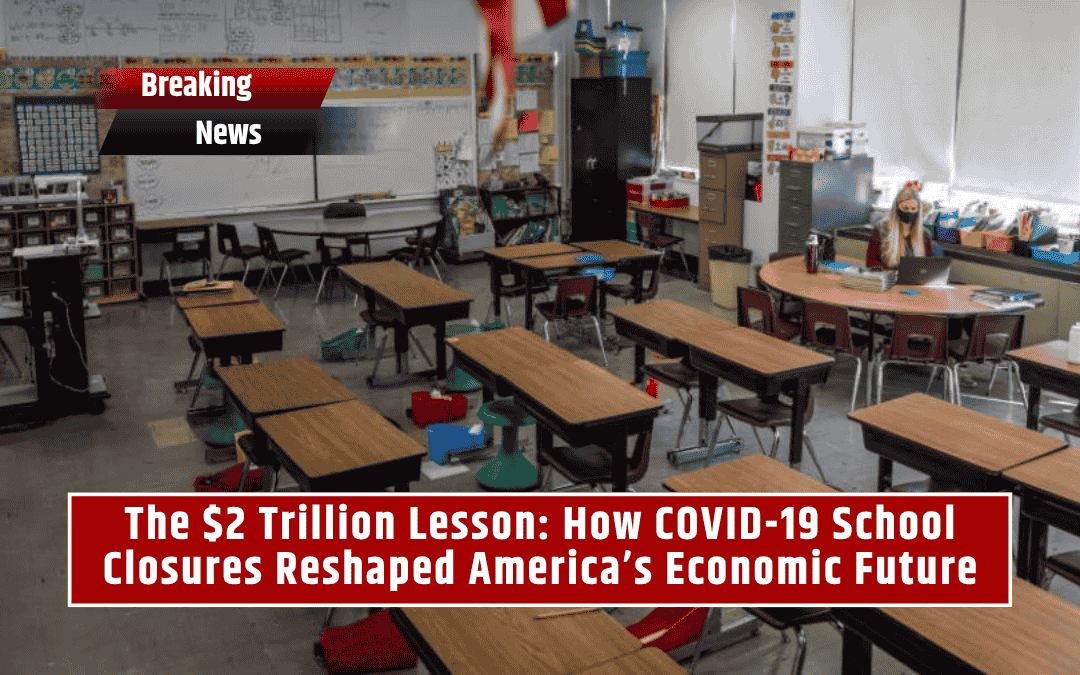
A recent joint study from the University of Washington and the University of Oxford warns that the U.S. economy could face a staggering $2 trillion loss due to school closures during the COVID-19 pandemic.
The researchers say this long-term deficit stems largely from learning setbacks that could ripple through the workforce and productivity for decades.
The Global Learning Shortfall
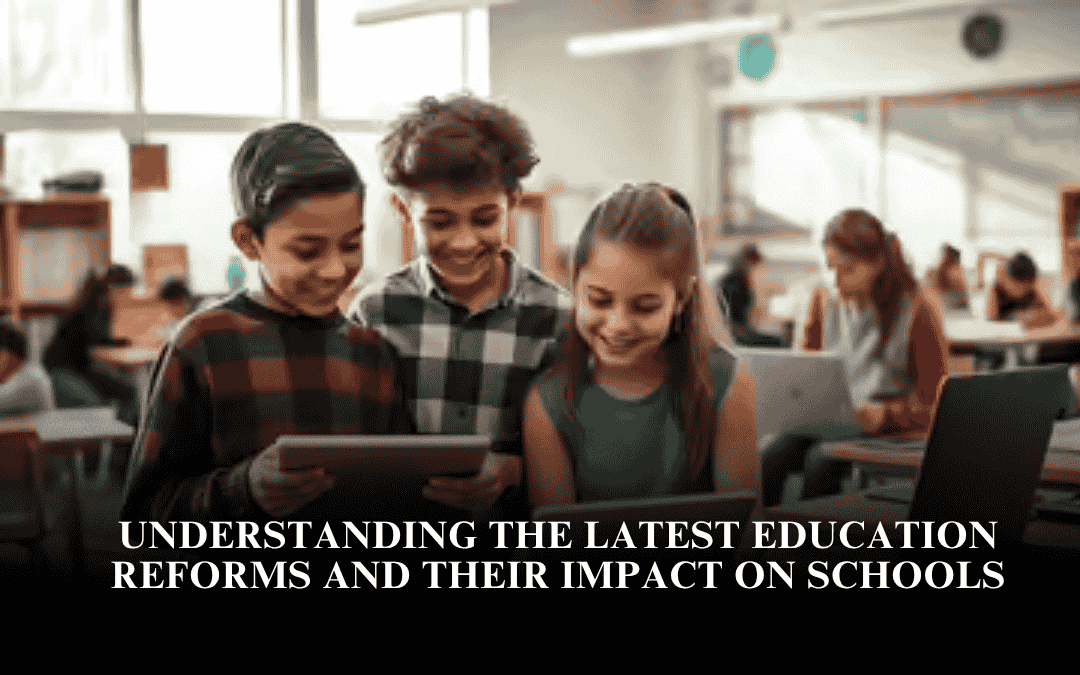
The study highlights a troubling global trend: students worldwide suffered significant academic regression during 2020’s school shutdowns. The researchers described these losses as a “hidden cost” of the pandemic—less visible than health or employment impacts, but potentially more damaging in the long run.
Many students still struggle to recover academically, particularly those from low-income communities.
Alternative Measures Could Have Reduced the Impact
Researchers estimate that the total cost of the pandemic could have been reduced from $4.6 trillion to $1.9 trillion if a more balanced public health strategy had been adopted.
They found that a mix of mask mandates, frequent testing, social distancing, and limited, targeted shutdowns would have been more effective—both economically and socially—than nationwide school closures.
“School Closures Were Not Cost-Effective”
According to the study, blanket school closures were among the least cost-effective responses to the pandemic. While they helped slow virus transmission, they also created deep and lasting disruptions in education and child development.
“U.S. COVID-19 school closure was not cost-effective, but other measures were,” the report stated, emphasizing that smarter, layered interventions could have minimized harm.
Early, Strict Lockdowns Worked Best
The researchers did acknowledge that early and strict lockdowns were effective in slowing the spread of the virus—especially before vaccines were available. Countries that moved swiftly saw lower death rates and less strain on healthcare systems. But once the virus became widespread, continued closures and restrictions began producing diminishing returns, both medically and economically.
The Heavy Social Toll of Pandemic Measures
Beyond economics, the human costs of lockdowns were severe. Families faced job losses, isolation, and heightened stress. Students—especially those with limited access to technology—experienced setbacks in reading, math, and social skills.
“These measures, while effective for public health, carried a steep price for education and mental well-being,” the study noted.
Disproportionate Impact on Marginalized Communities
The research found that the pandemic’s social and economic damage fell hardest on marginalized communities. Low-income families were less likely to have reliable internet access or flexible work arrangements, leaving children behind academically. Many students from minority backgrounds also faced greater challenges in returning to consistent, in-person learning once schools reopened.
The Evidence Gap on Economic Impacts
While the researchers offered strong conclusions on the costs of closures, they also cautioned that high-quality data on the broader economic impact of non-pharmaceutical interventions (NPIs) remains limited.
“Regarding cost-effectiveness, testing, contact tracing, quarantine, and social distancing were identified as highly cost-effective,” the study said, “but the available reviews noted a lack of quality research and conclusive evidence.”
Non-Pharmaceutical Interventions That Worked
Despite data limitations, the study found that several NPIs—such as testing, contact tracing, and quarantine measures—proved far more effective in curbing spread without devastating economic consequences.
These strategies allowed many countries to maintain some level of normalcy while protecting vulnerable populations and preserving long-term economic stability.
Lessons for Future Public Health Crises
Experts say the findings should serve as a blueprint for future responses to global health emergencies. Instead of broad shutdowns, they recommend flexible, evidence-based measures that balance disease control with economic and educational needs. Investments in digital learning tools, public health infrastructure, and targeted aid could help mitigate the kind of losses seen during COVID-19.
The Role of Schools in National Resilience
Education systems, the study argues, must be recognized as essential infrastructure—just like hospitals or utilities. When schools close, the ripple effects touch every sector of society, from workforce participation to public health. Keeping schools open safely should be a top priority in any future crisis management plan.
A Call for Smarter Preparedness
The $2 trillion figure represents more than just lost income—it reflects missed opportunities for innovation, learning, and social progress. Policymakers, the researchers suggest, must prioritize better preparedness, clearer communication, and stronger coordination between public health and education systems to avoid repeating the same mistakes.
Rebuilding From the Learning Loss
Many school districts are now investing in tutoring programs, summer learning, and technology upgrades to make up for lost time. But researchers warn the effort must be sustained.
Without continued focus on educational recovery, today’s learning loss could translate into tomorrow’s economic stagnation—a long shadow cast by a crisis that reshaped an entire generation.