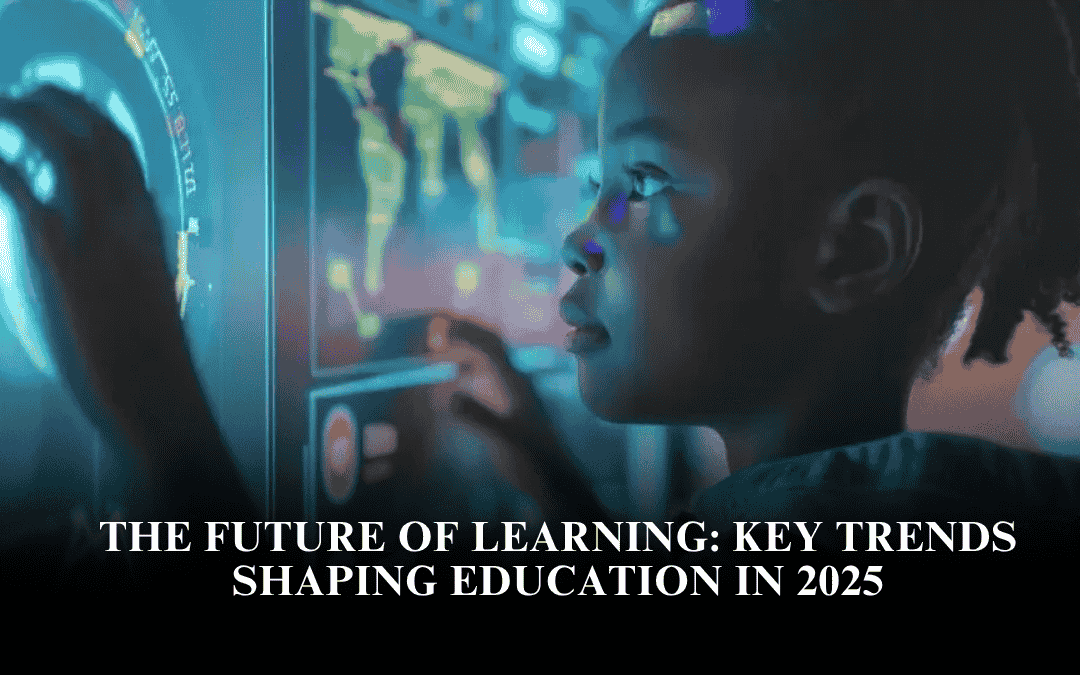
The future of learning is rapidly evolving as new technologies, teaching methods, and societal shifts transform the educational landscape. By 2025, education will be shaped by innovations that make learning more personalized, accessible, and immersive.
As we look ahead, it’s clear that both the tools and the approach to learning will continue to change, creating exciting opportunities for students, teachers, and institutions. Below are the key trends that will shape the future of education in 2025.
1. Personalized Learning Experiences
One of the most significant trends in education is the move towards personalized learning. By 2025, educational systems will be better equipped to cater to the individual needs, strengths, and weaknesses of each student.
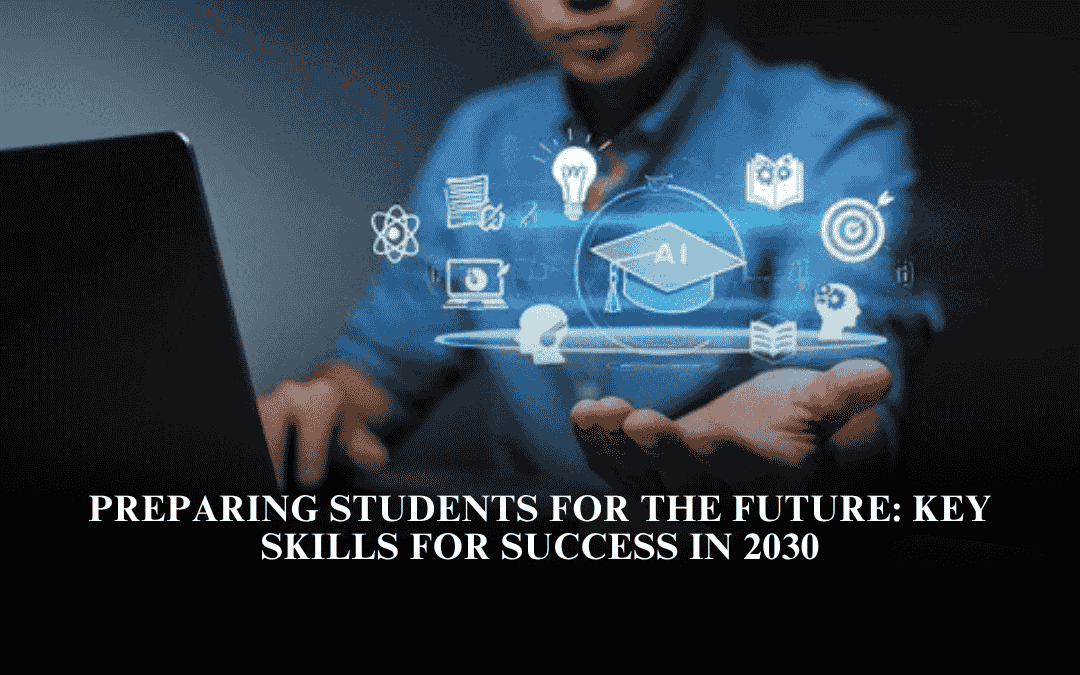
With the help of artificial intelligence (AI) and learning analytics, educational platforms will tailor lesson plans, resources, and assessments to each student’s learning style, progress, and goals.
AI-powered tools will analyze student performance in real time, enabling teachers to provide targeted interventions when necessary. Personalized learning will also give students more control over their educational journeys, allowing them to pursue topics of interest at their own pace and receive more relevant feedback.
2. Immersive Learning through AR and VR
Augmented reality (AR) and virtual reality (VR) are already making waves in classrooms, and by 2025, they will be commonplace in educational settings. These technologies provide immersive learning experiences that bring subjects to life in ways traditional textbooks cannot.
For example, history students might take virtual field trips to ancient civilizations, while medical students could practice surgery in a VR simulation.
AR and VR will also enable remote learners to participate in interactive and experiential lessons, bridging the gap between traditional in-person and online learning. The ability to engage with content in such a dynamic way will enhance comprehension and retention, making education more exciting and effective.
3. The Rise of Lifelong Learning
In the fast-paced world of 2025, skills need to be continuously updated. As industries and technologies evolve, so will the need for lifelong learning. More people will embrace continuous education, moving beyond traditional school years to a culture where learning is a constant, ongoing process.
Organizations and educational institutions will offer flexible, on-demand courses and certifications for individuals looking to upskill or reskill.
Micro-credentials, short learning modules, and digital badges will become more common, allowing learners to demonstrate their expertise in specific areas without committing to traditional degrees.
This shift will make education more flexible and aligned with the changing demands of the job market.
4. EdTech and AI-Driven Tools
Technology is already embedded in education, but by 2025, educational technology (EdTech) will become more sophisticated and integrated into the learning process.
AI-powered tools will assist teachers with administrative tasks, grading, and identifying students who need extra support.
Additionally, learning management systems (LMS) will become more intuitive, using AI to recommend resources, assignments, and assessments based on student behavior and learning patterns.
Moreover, AI will power chatbots and virtual tutors that can offer 24/7 support to students, answering questions and guiding them through coursework, making learning more accessible outside of traditional classroom hours.
5. Hybrid and Flexible Learning Environments
The COVID-19 pandemic accelerated the adoption of remote learning, and by 2025, hybrid learning models will be the norm. Students will have the option to learn in-person, online, or through a combination of both, allowing for greater flexibility and access to education.
Classrooms will be designed to accommodate both in-person and virtual learners seamlessly. This hybrid approach will offer more opportunities for collaboration, as students from different parts of the world can join discussions, share ideas, and work on projects together without the limitations of geography. Virtual classrooms, digital labs, and interactive platforms will foster a collaborative, global learning environment.
FAQs
What is personalized learning, and how will it work in 2025?
Personalized learning refers to tailoring the educational experience to meet the unique needs, interests, and abilities of each student. In 2025, AI and learning analytics will play a significant role in providing customized lesson plans and real-time feedback based on individual student performance. This will allow students to progress at their own pace and focus on areas where they need improvement.
Will virtual reality (VR) and augmented reality (AR) replace traditional classroom learning?
While VR and AR will certainly enhance the learning experience by providing immersive, interactive content, they are unlikely to completely replace traditional classroom learning. Instead, these technologies will be used alongside conventional methods to offer richer, more engaging educational experiences. For example, students might use VR for hands-on training while still engaging in face-to-face discussions and lectures.
How will lifelong learning impact career development in 2025?
Lifelong learning will become a key component of career development by 2025, as industries continually evolve due to technological advances. Professionals will be expected to upskill and reskill throughout their careers, and educational institutions will offer flexible, on-demand courses. Micro-credentials and digital badges will provide workers with a way to showcase their skills, enhancing career mobility and adaptability.
Will AI-driven tools replace teachers?
AI-driven tools will assist teachers by automating administrative tasks, providing personalized learning experiences, and offering 24/7 support to students. However, these tools are designed to complement, not replace, teachers. Human educators will still play a crucial role in fostering emotional intelligence, facilitating discussions, and supporting students’ social and psychological development.